Manifesto of Commonness
Some say poetry is dead.
There was a great blossoming of it in the age of the Romantics and the Transcendental Aesthetic. But the tropes of Modernism, it seems, do not lend themselves so readily to poetic expression.
Romanticism was based on the love of Nature. The literature and music and art of the era reflected an enthusiasm for the very great pleasures that Nature alone can give. This love of Nature also reflected a love for Nature’s God.
But God is dead in the Modern age, having been replaced by nature “red in tooth and claw.” The effect on poetry has been to strip it of its transcendent resonance.
The transcendent gives poetry love. With love comes beauty as well as tenderness, gentleness, kindness, pathos, soulfulness. A great many things are lost when it is gone.
The transcendent gives poetry inspiration. The poets called upon the muses because they wanted to be lifted up. They knew they needed the help of the muse to soar to great heights. It is impossible to soar without it.
The transcendent gives poetry the poetic line. Poets are singers. When the transcendent is taken away, the poetic line is lost as well as the song.
It may no longer be possible to relift the transcendent as a polemic, like Kant and Wordsworth. But it is still possible to intuit traces of the transcendent in common things.
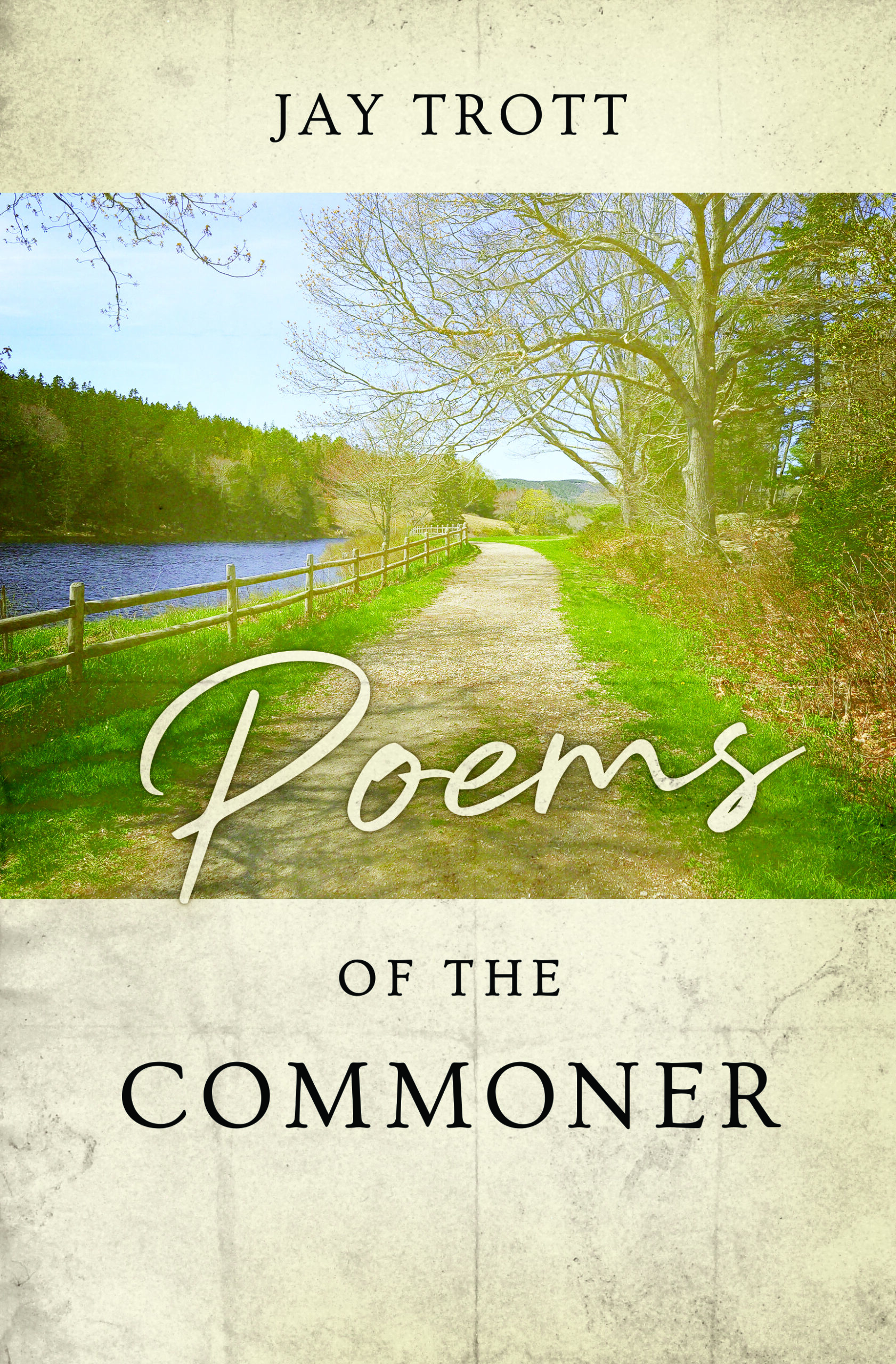
Hence the Poems of the Commoner.